Virginia Dignum receives 2026 Nordic DAIR Awards Lifetime Achievement Award in AI
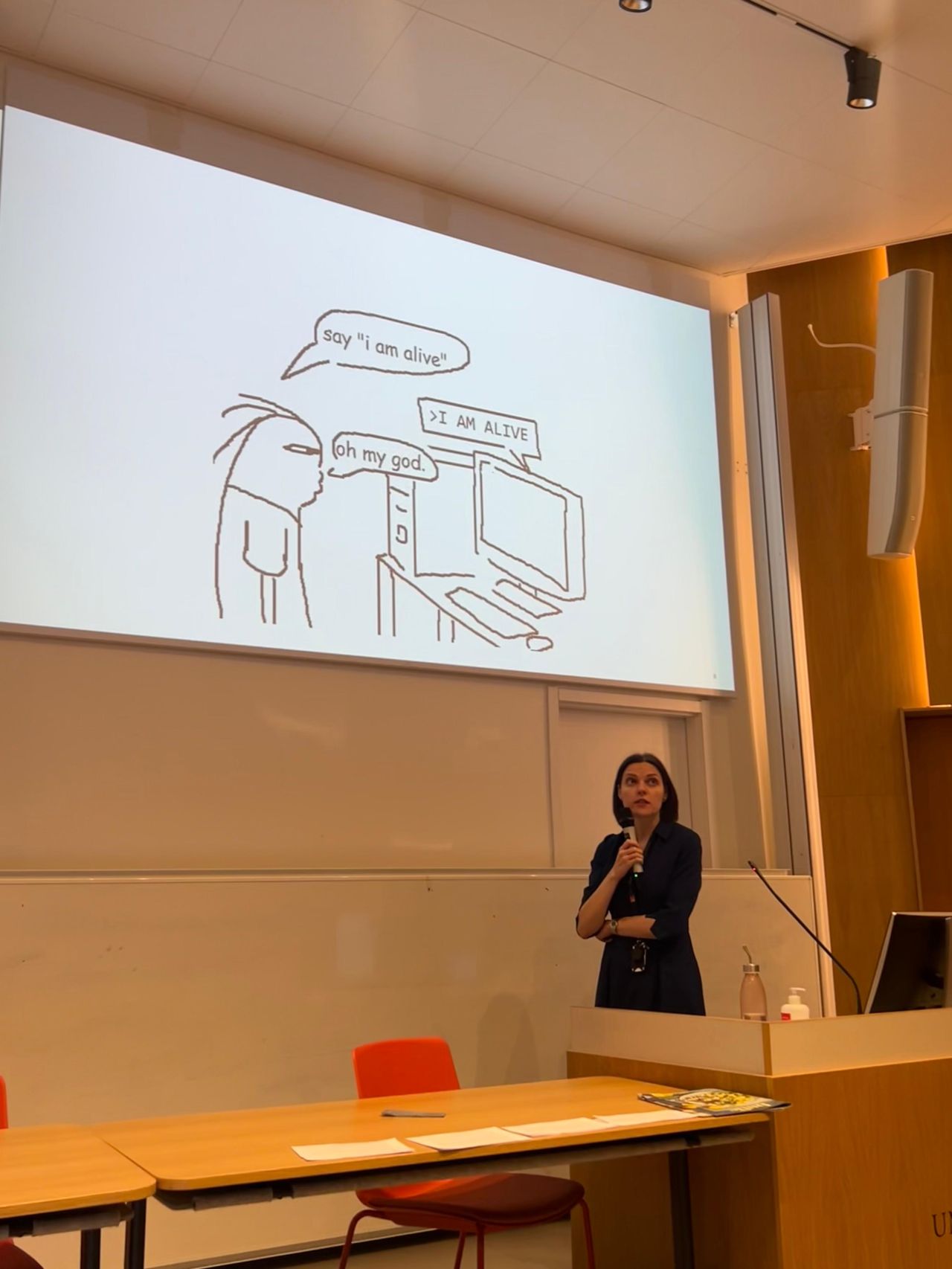
On May 7, 2026, Virginia Dignum, Director of the AI Policy Lab and Professor of Responsible Artificial Intelligence at Umeå University, has been named the 2026 Nordic DAIR Awards Lifetime Achievement winner in AI!
The DAIR Awards, Data and AI Readiness Awards, recognize achievements in data, analytics and AI across the Nordic region. In 2026, the awards are integrated into the Data Innovation Summit in Stockholm, bringing recognized work in AI and data directly into one of the region’s major meeting places for practitioners, leaders and innovators.
This year’s awards focus on maturity and real-world impact in AI and data.
Against this backdrop, Virginia’s recognition highlights her long-standing contribution to responsible AI, AI ethics and AI policy. Her work has helped shape international discussions on how AI can be developed and governed in ways that place human values, accountability and societal benefit at the center.
In its award citation, DAIR writes: “There are few individuals whose work has shaped the ethical and technical landscape of AI as profoundly as Virginia Dignum. As a world-renowned researcher and a leading voice in Responsible AI, Virginia has spent her career ensuring that as we build more powerful systems, we do so with human values at the center.”
At the AI Policy Lab, we are proud to see Virginia’s work recognized in this way. Her leadership continues to inspire researchers, policymakers, students and partners working toward responsible and trustworthy AI.
Warm congratulations, Virginia!
Could not load the image
1
/ 2
About DAIR
The DAIR Awards (Data and AI Readiness Awards) recognize organizations that lead the way in using data, analytics, and AI to drive measurable business and societal impact. Focused on organization achievements, the awards highlight companies that demonstrate strategic vision, innovation, mpact and maturity in their data, analytics and AI practices. Through the recognition of real-world success stories, the DAIR Awards aim to accelerate the adoption of data-driven technologies, inspire others to follow best practices, and benchmark progress across the Nordic region’s most advanced organizations.
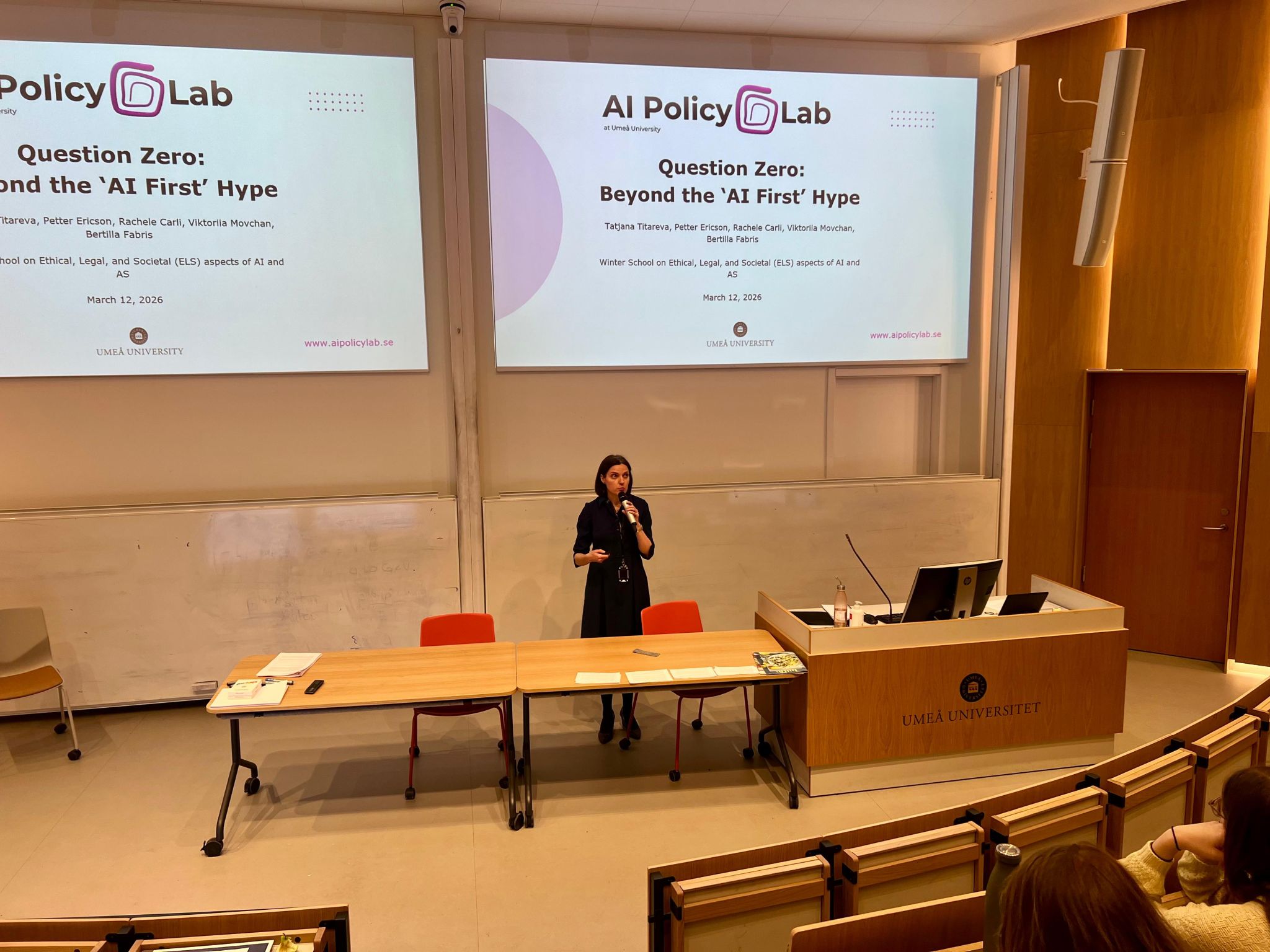
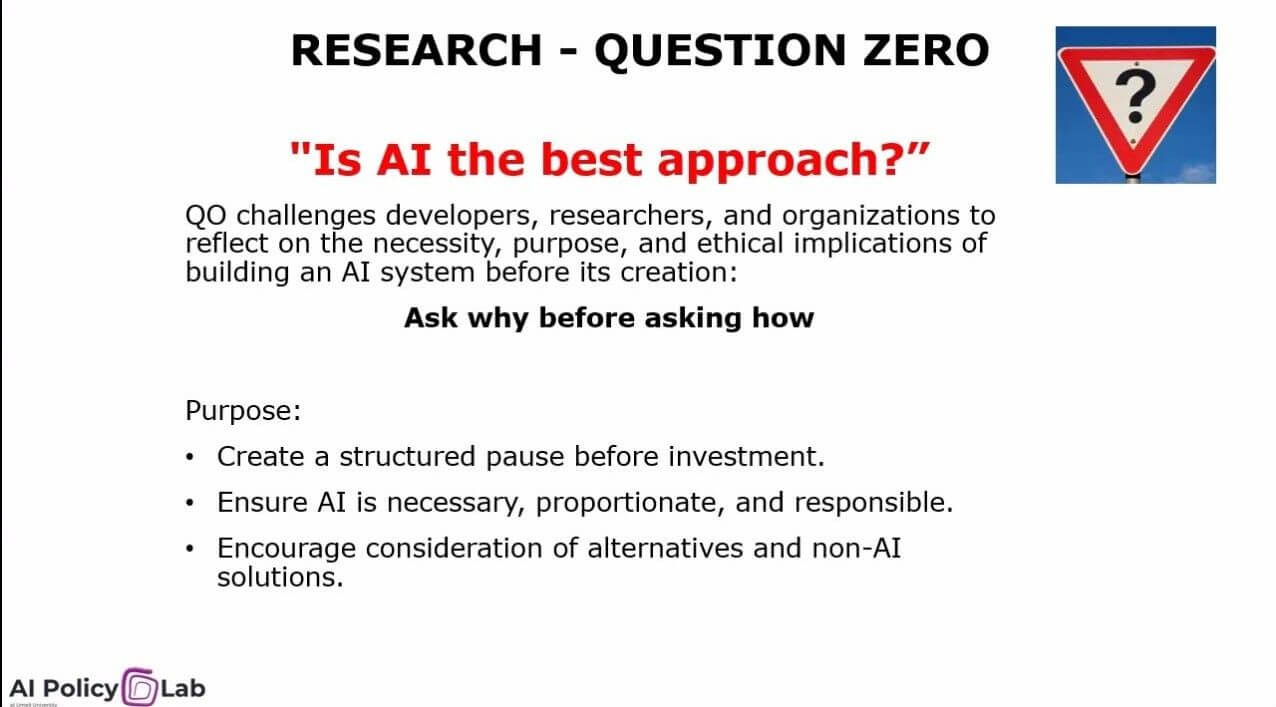
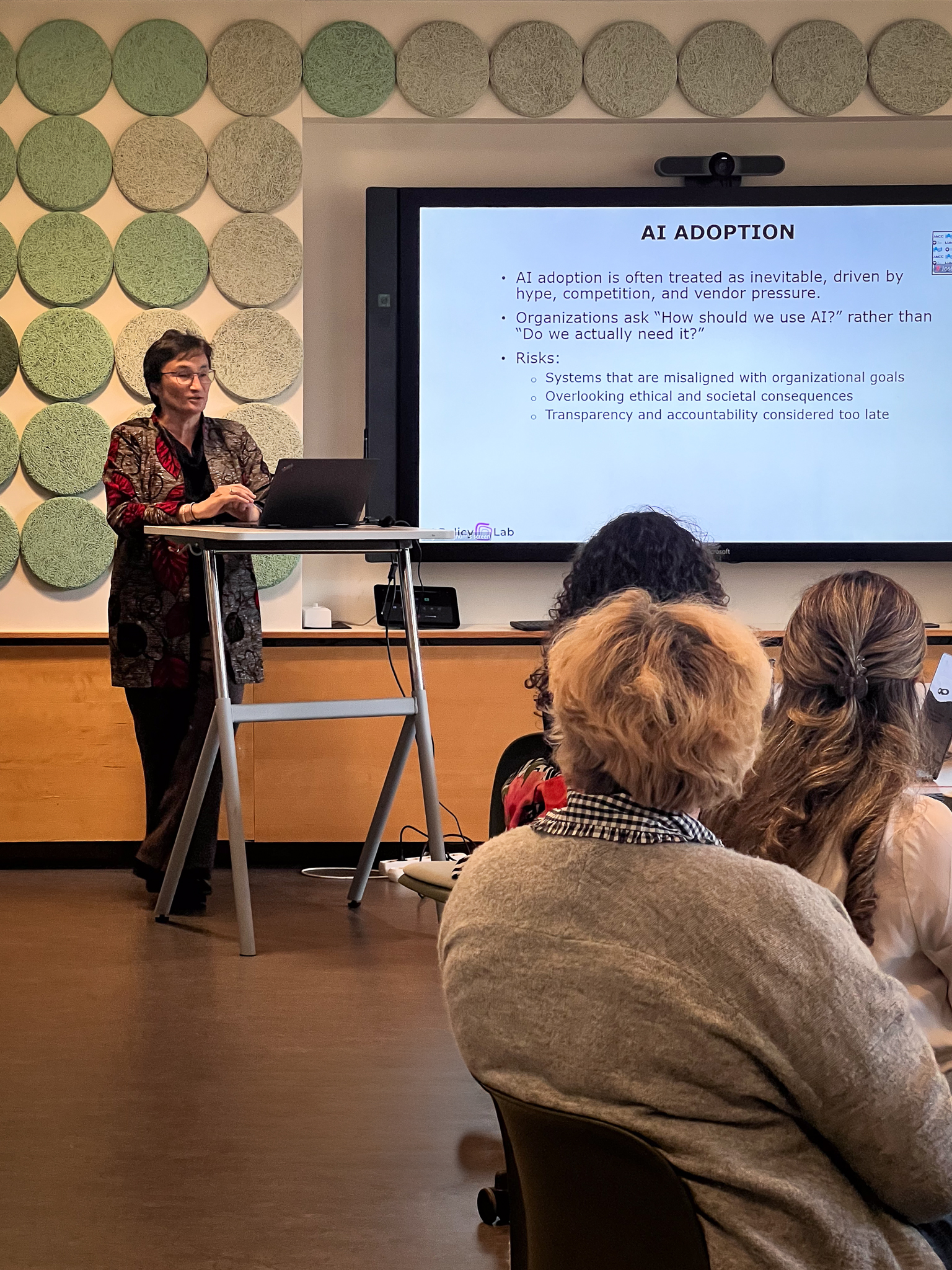
Before you adopt AI, ask the right question first. Not “Which AI should we use?” But: “Under what conditions should an AI system be adopted, if at all? “That is Question Zero (Q0). We live in an era of AI hype. Governments are pouring huge resources into AI acceleration. Organisations are rushing to adopt. But speed is not a strategy. And technology is not destiny.
Could not load the image
1
/ 4
The Dutch childcare benefit scandal shows what happens when we skip Question Zero. An algorithm accused tens of thousands of innocent parents of fraud, destroying jobs, families and lives. Q0 was never asked. Next up: figuring out what situated AI looks like not just as critique, but as practice, that is, research that is itself accountable to the communities it studies.
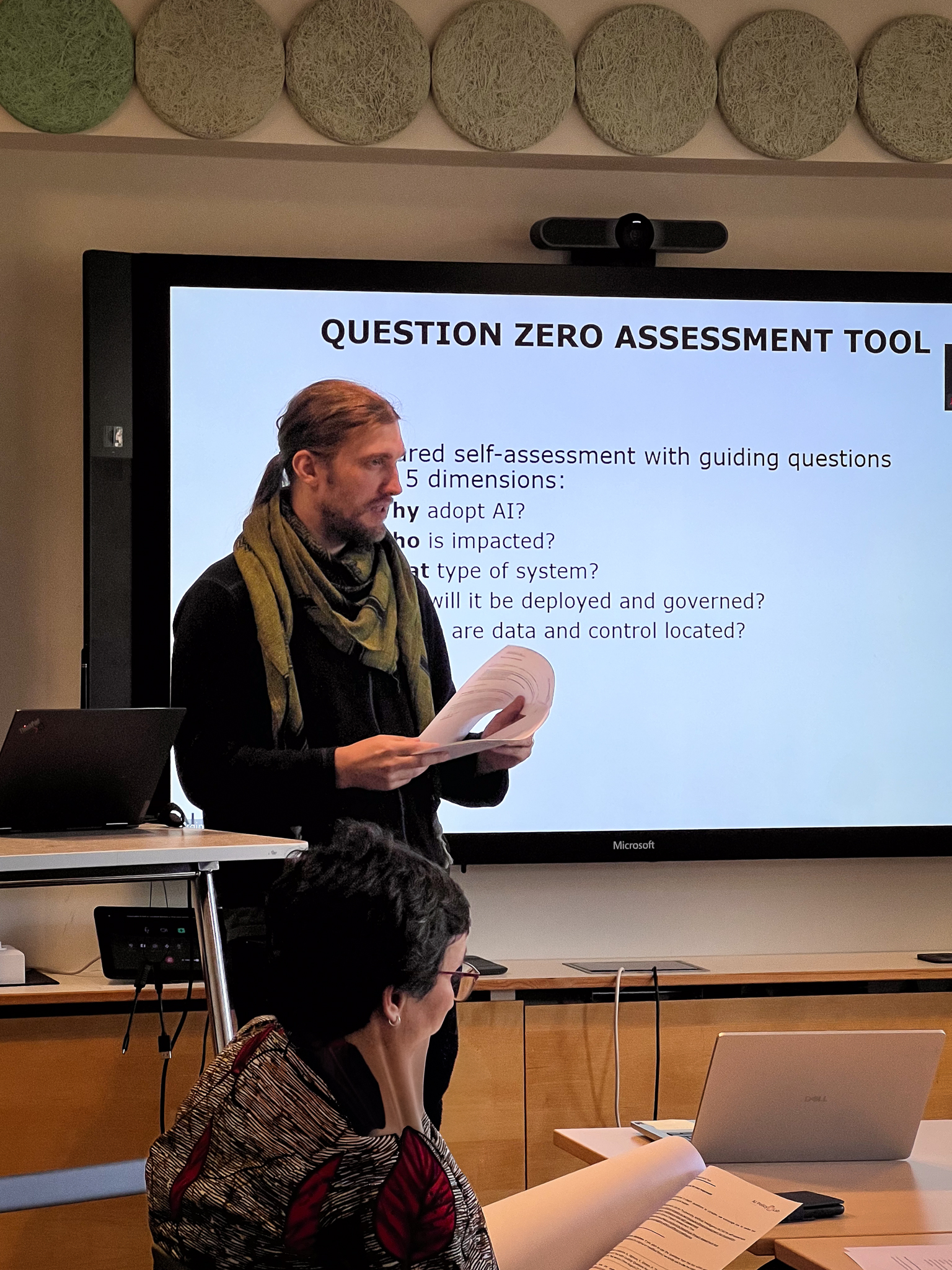
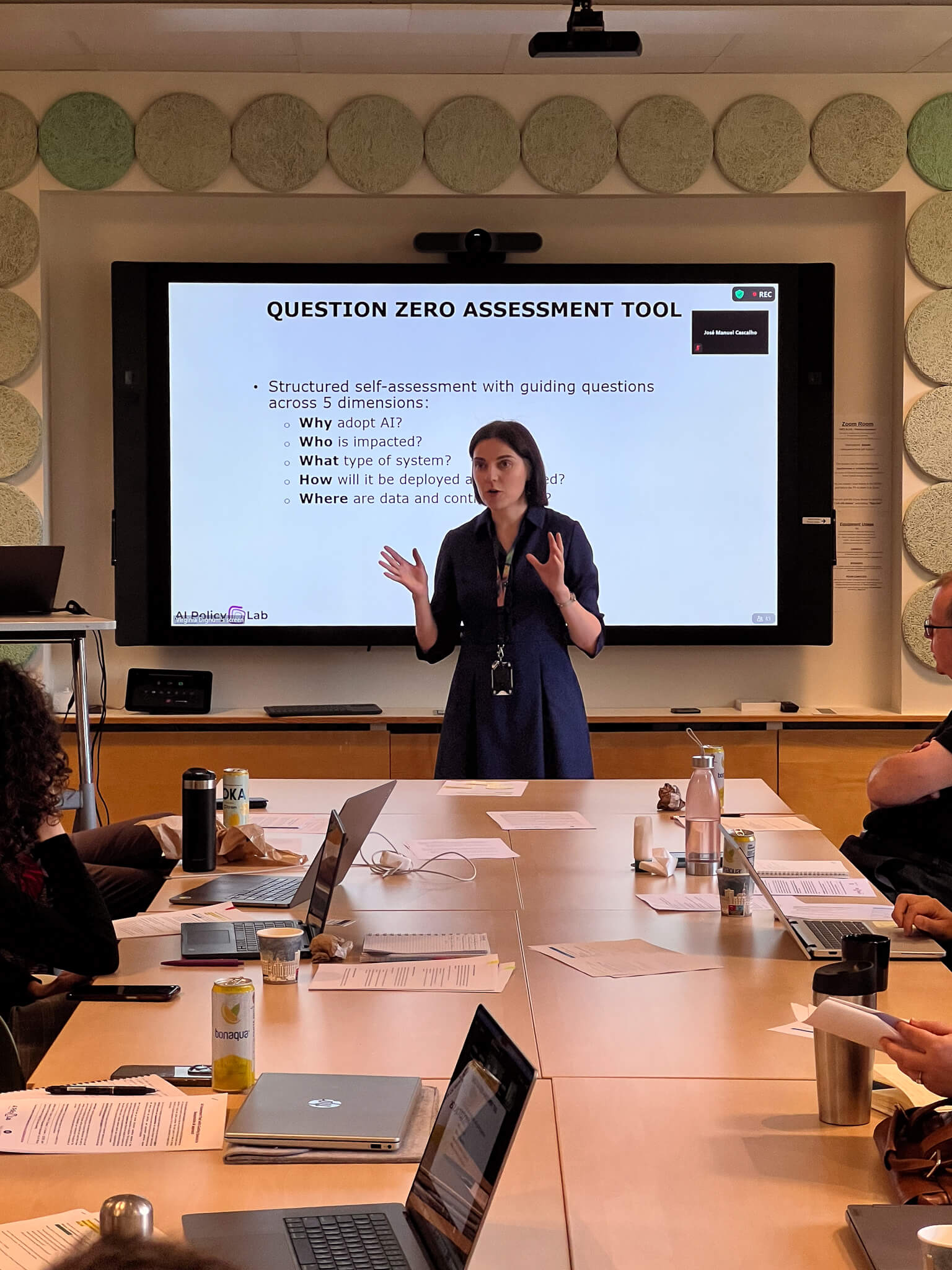
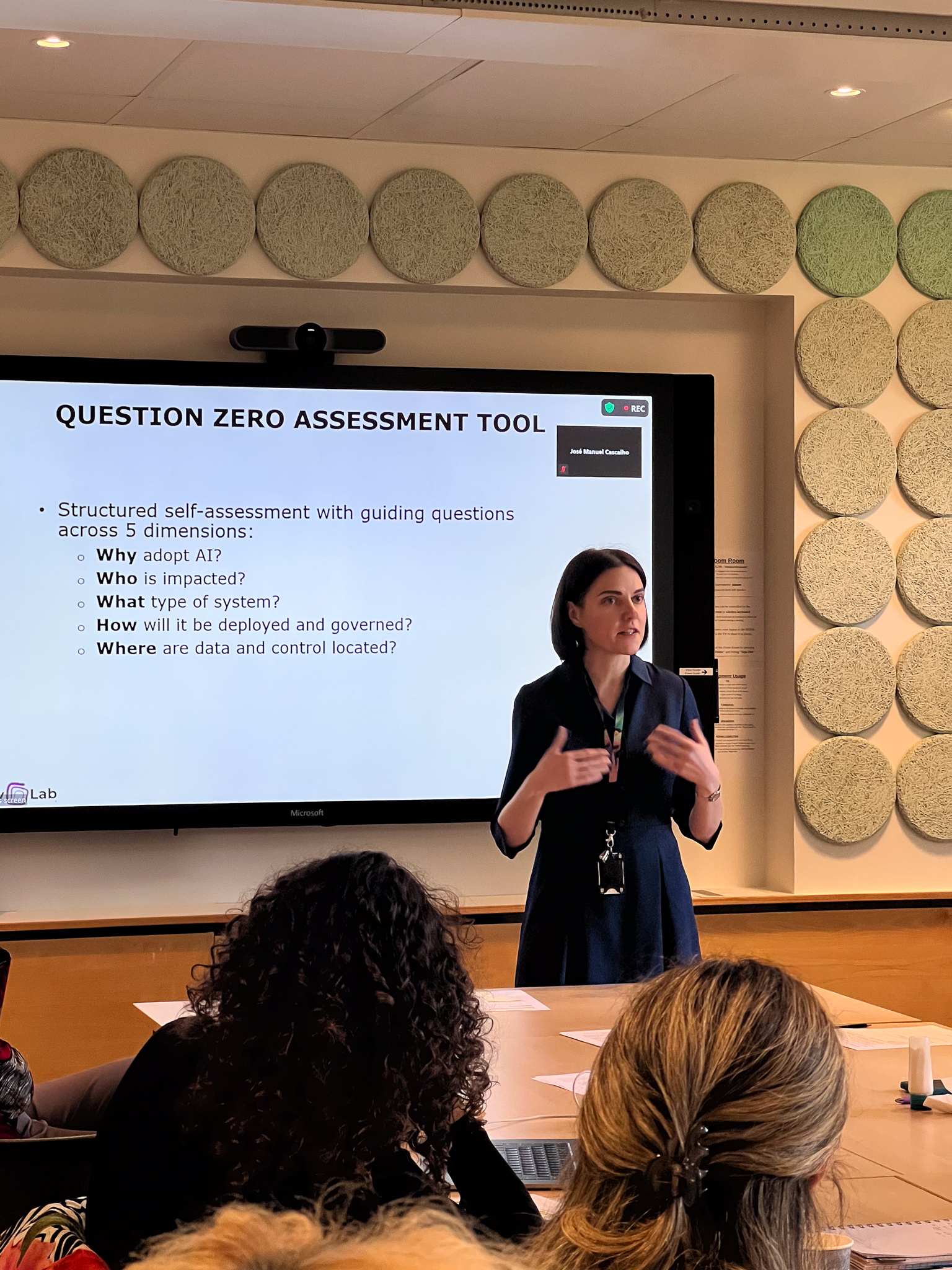
Q0 is a practical, free assessment tool developed at the AI Policy Lab at Umeå University with five categories of questions. Below we list some of the questions under each category (see the full version of the tool – below).
WHY? Motivation
Why do you plan to adopt an AI system?
What problem(s) is your organisation trying to solve with a new AI system?
What are the available alternatives, incl. human, other technical non-AI solutions, etc.?
WHO? Stakeholders and inclusion
Which stakeholders could benefit if the AI system is adopted and how?
Which stakeholders could potentially experience any risks/harms after adopting the AI system and how?
Does the AI system offer an opt out option for all impacted stakeholders?
WHAT? Type of AI system
What type of AI system are you planning to adopt?
How does this choice match the specific problem your organisation aims to solve?
HOW? Adoption and governance
How do you plan to monitor/analyse the new AI system’s outputs and performance?
How will you ensure the security of your organisation’s and your clients’ data?
WHERE? Infrastructure and control
Where does the training data originate from?
Where will the AI system run and data be stored?
Where is the AI system’s provider based?
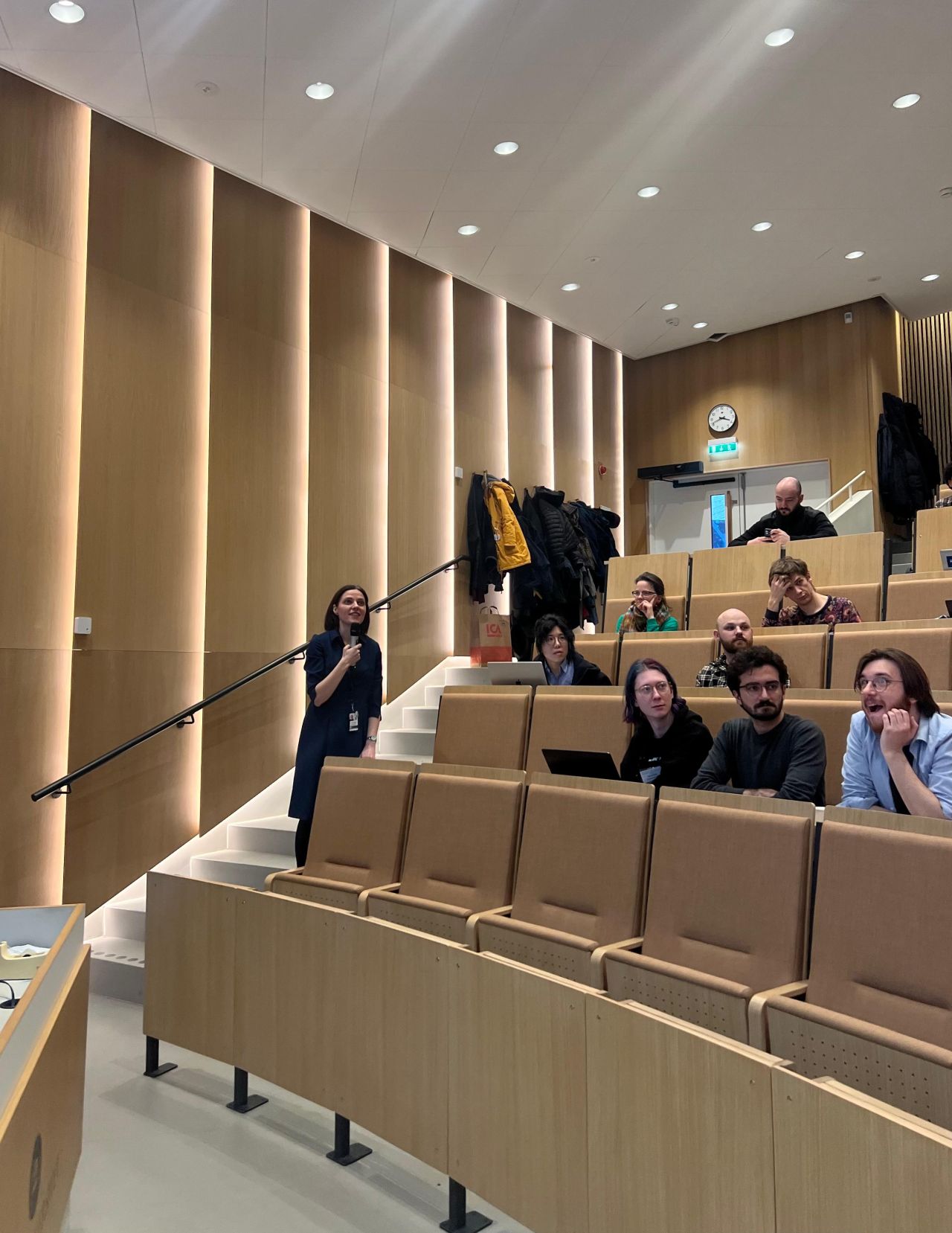
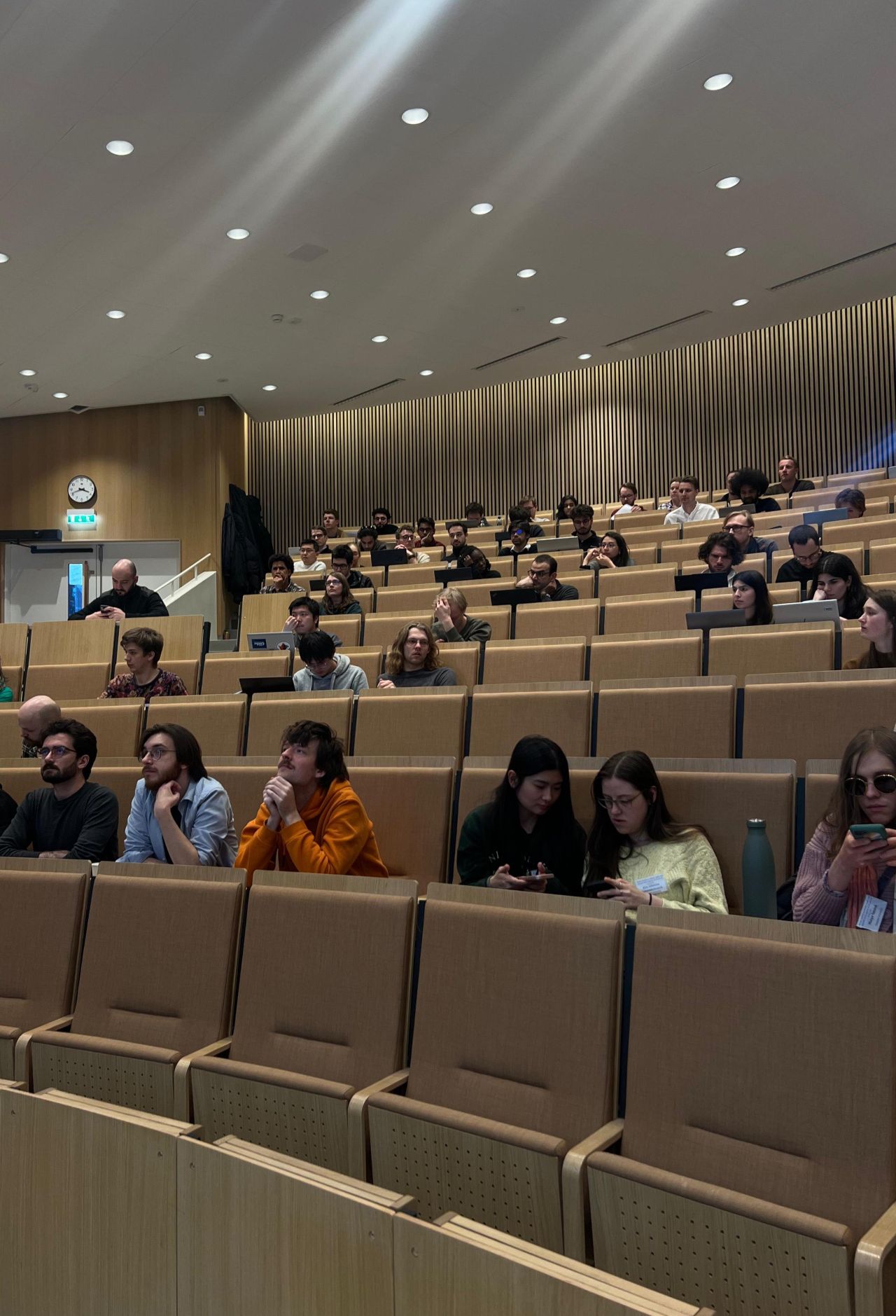
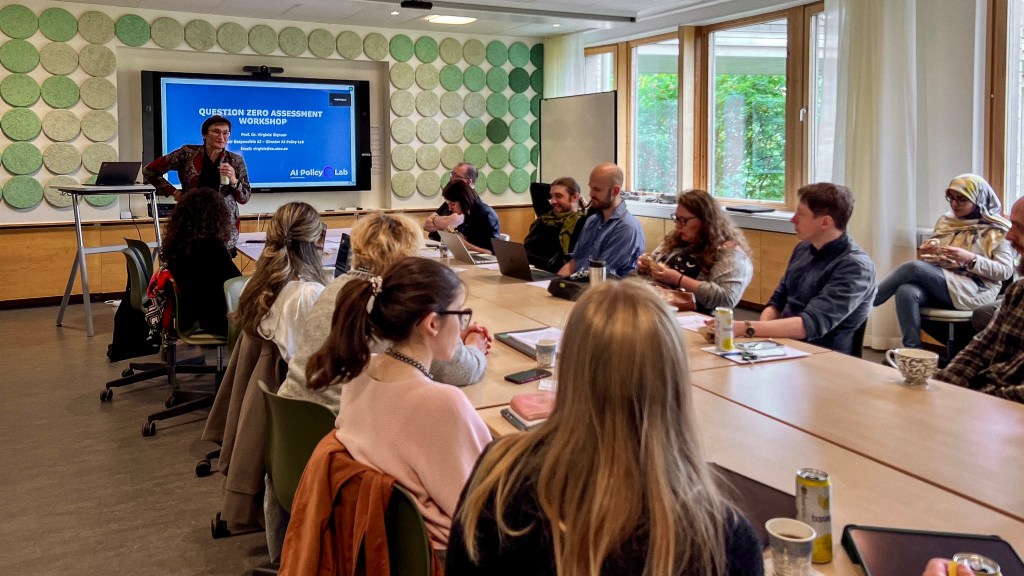
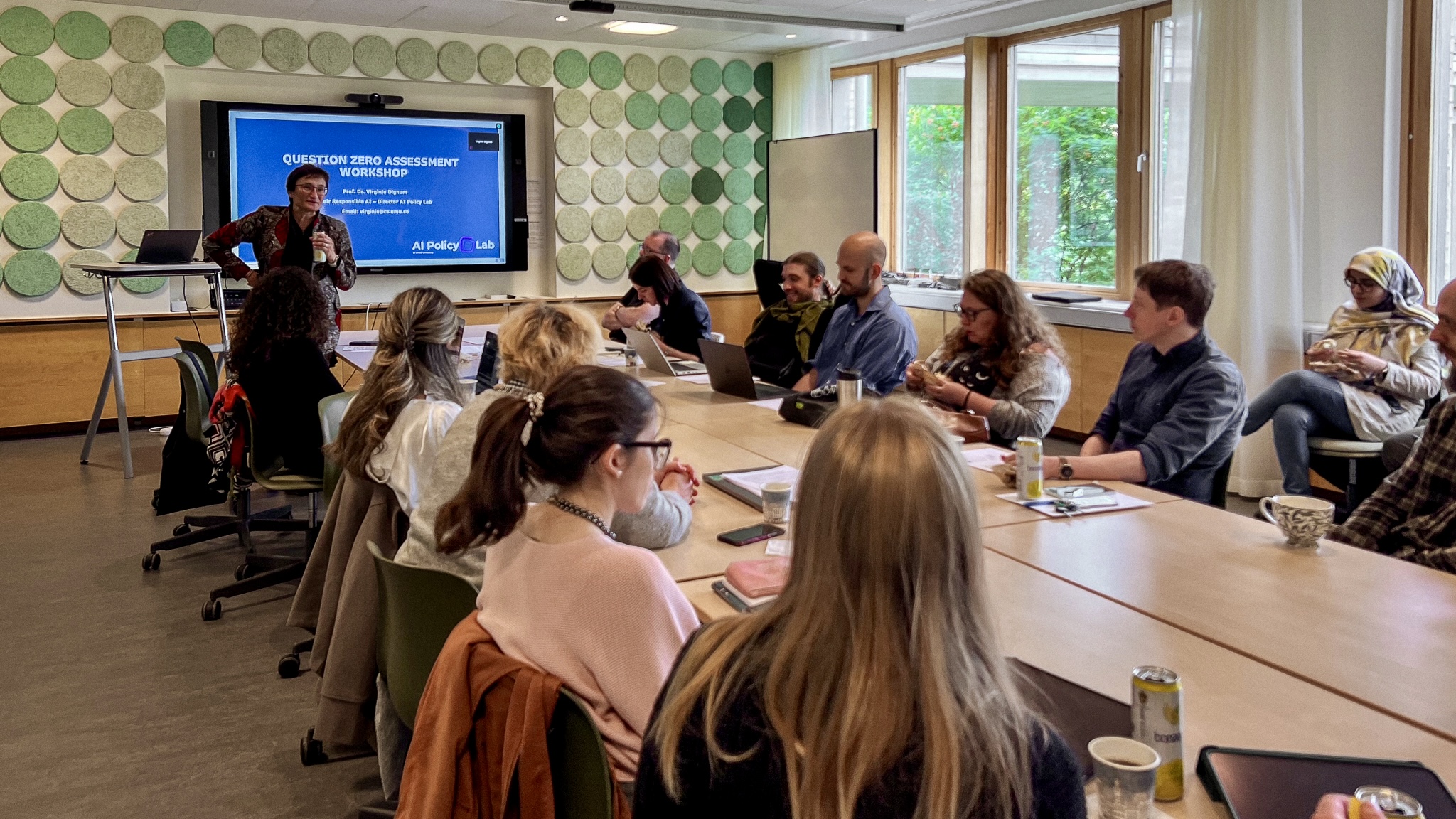
During the workshop, participants worked in groups and applied the Q0 assessment tool to realistic AI adoption scenarios, including:
an AI system for emotional music personalisation on streaming platforms
automated hiring screening systems used in recruitment
workplace analytics tools analysing employee activity and productivity
AI systems for prioritising drug discovery in pharmaceutical research
Q0 is not anti-AI. It is pro-thinking. Technology is a human endeavour. We create it. We shape it. We can choose differently.
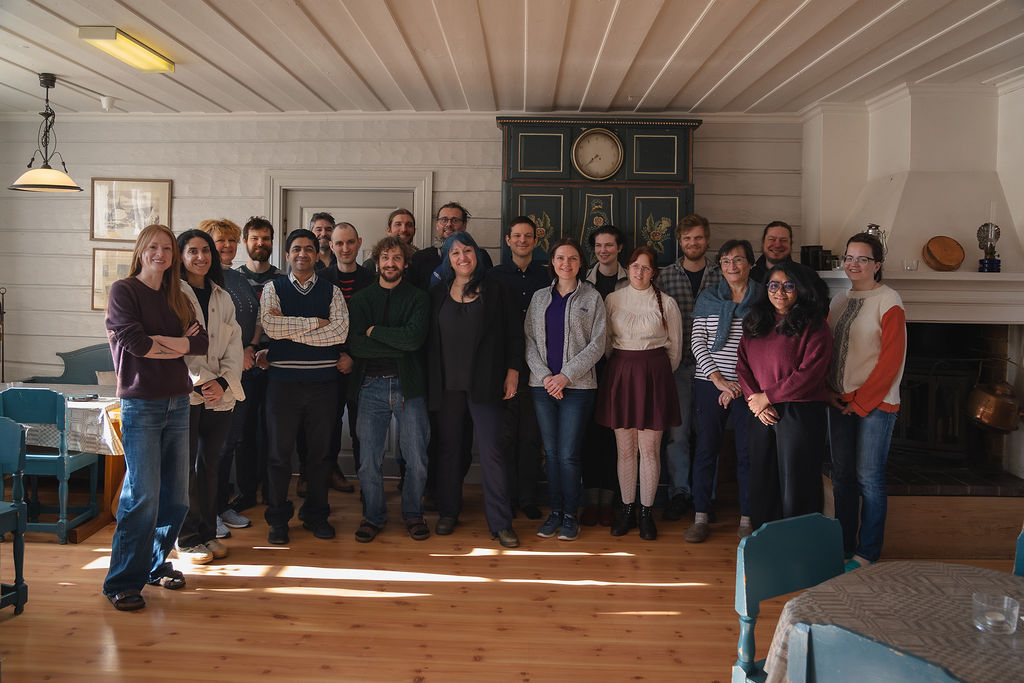
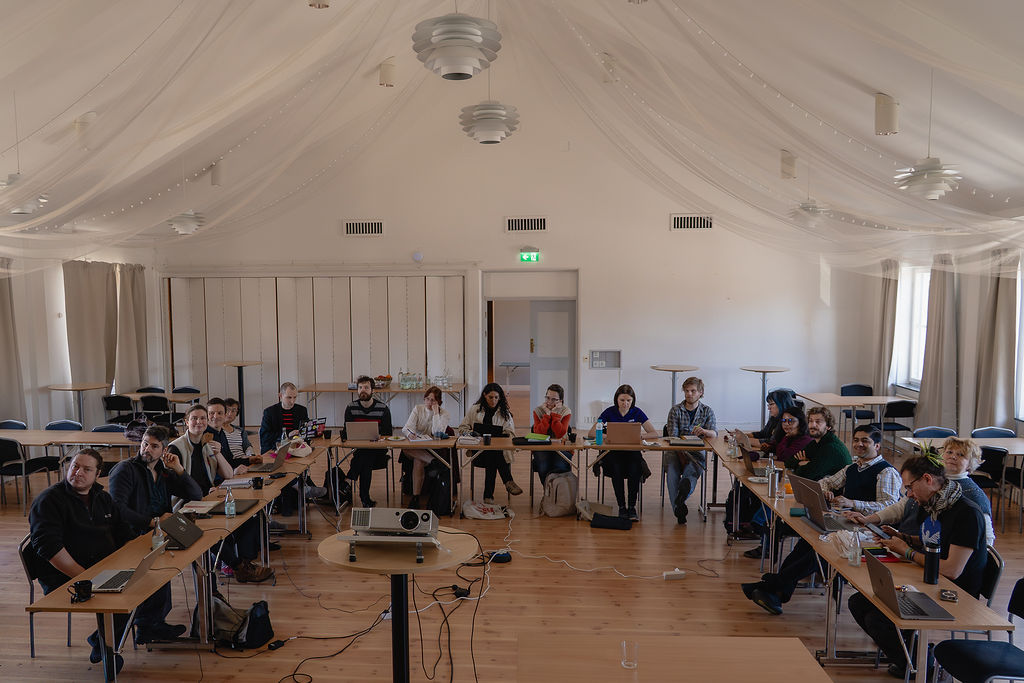
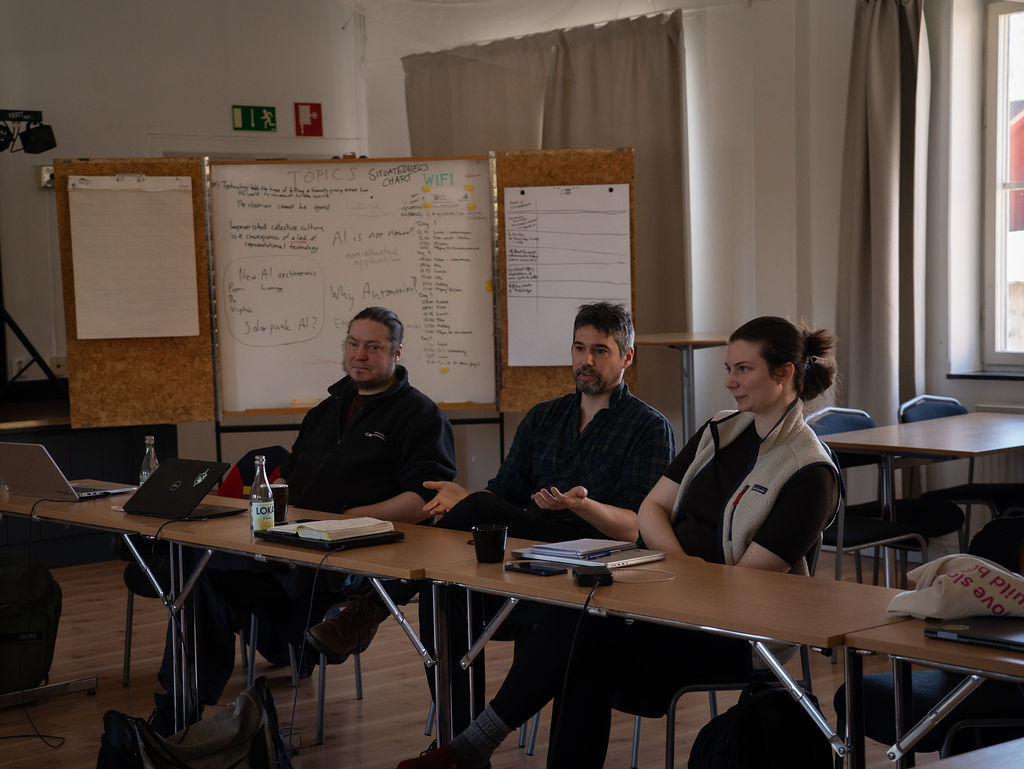
Our theme this year was Situated AI: grounding AI research in place, community, and lived knowledge rather than a view from nowhere that mascarades as objectivity. We talked about solarpunk visions for AI at community scale: whose resilience, whose future, built on whose knowledge? We sat with the uncomfortable truth that participation can be co-opted, that inviting more voices into a process doesn’t redistribute power, and can even become a new form of data extraction.
And we turned the lens on ourselves. The publish-or-perish pressure of academia doesn’t just shape what gets said, it shapes who gets to say it, and on what timeline. The incentive structures of academic AI research can reproduce the very dynamics we critique from the outside.
Our working conclusion, borrowed from Donna Haraway: “stay with the trouble”. Sometimes not resolving tensions prematurely, but staying in them long enough, is the most honest thing we can do.
Next up: figuring out what situated AI looks like not just as critique, but as practice, that is, research that is itself accountable to the communities it studies.
Could not load the image
1
/ 8
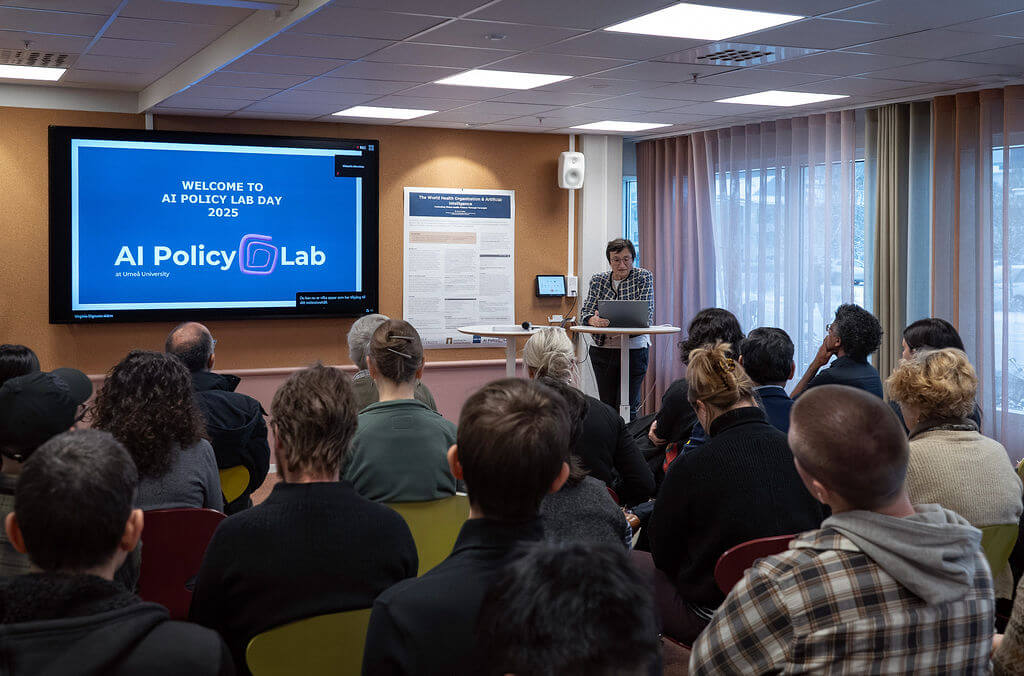
AI Policy Lab Day 2025: Highlights and Reflections (Recording Available)
Date & Location: November 19, 2025, Umeå University, Västerbotten, Sweden
The AI Policy Lab Day 2025 was rich in insight and exchange.
Sennay Ghebreab delivered a keynote that grounded Question Zero in lived experience, reminding us that the decision to use, or not use AI is never a static checkpoint. He urged us to think in terms of Question Infinity:a continuous, reflective process in which risks and opportunities are held in tension rather than framed as opposites.
Daniel McQuillan‘s talk added a powerful systemic lens. By framing contemporary AI as a product of deeper structural failures, he challenged us to confront the material and social realities beneath technological optimism. His proposal of decomputing, a combination of degrowth, conviviality, and care, called us to imagine responses that prioritise collective well-being over speed or scale.
Our researchers’ posters reflected a striking level of maturity. Their work is rigorous, thoughtful, and already influencing wider debates on responsible AI. It was encouraging to see how confidently they engaged with participants and how deeply their projects connected to real societal needs (Rachele Carli, Petter Ericson, Jason Tucker, Tatjana Titareva, Themis-Dimitra Xanthopoulou, PhD Mattias Brännström).
Throughout the afternoon, participants brought curiosity, openness, and an eagerness to engage in discussions and informal exchanges between sessions.
The evening screening of Humans in the Loop added an emotional and narrative dimension that tied the day together. The dramatized story, rooted in the real experiences of data workers in India, wove together the daily realities of annotation labour with local culture, personal aspiration, and the power of lived experience. It captured the invisibility of this global workforce while honouring their agency and resilience. The discussion that followed made clear how crucial these perspectives are for any serious conversation on responsible AI.
A full day of insight, critical dialogue, and shared commitment.
Close out AI Policy Lab Day with a special screening of the acclaimed independent documentary Humans in the Loop, a powerful portrait of a young data annotator navigating the rapidly shifting AI industry in India.
Date: Wednesday, November 19 Time: 19:30 to 21:30 CET Location: Rotundan, Universum, Umeå University
Participation is free but registration is required and places are limited.
Film Screening
A groundbreaking 72-minute Hindi-Kurukh film follows Nehma, an Adivasi woman from Jharkhand’s Oraon tribe who trains AI systems as a data labeller. Director Aranya Sahay (FTII) was inspired by journalist Karishma Mehrotra’s exposé, revealing how over 70,000 Indians – mostly rural women – form AI’s invisible workforce.
A striking, human-centered view of AI from the ground up.
The 72-minute film will be followed by a discussion on the hidden role of data workers in AI.
This film screening is a part of the AI Policy Lab Day programme.
Webinar: How can we soften the blow for the public sector when the Gen-AI bubble bursts?
Date: 8 December 2025 | 17:00-18:30 CET Format: Online panel featuring short talks, followed by an open discussion
About the Workshop
With significant public investment and political capital currently riding on AI, particularly generative AI, the socio-economic and political consequences of the hype bubble bursting will be profound. This would be a fork in the road for states, and state authorities who have been championing and adopting GenAI. These actors can either change course, and seek new ways to tackle societal challenges, or continue to implement sub optimal and potentially harmful applications using GenAI. Given that many states have aligned with the techno-solutionist discourses and have framed AI adoption in terms of geopolitical positioning, the latter is more likely.
To prepare for this, and mitigate its potential harms, the workshop will focus on the organisational, technical, and social tools we can develop in advance to cushion the societal impacts of the GenAI bubble bursting. In doing so, we aim to preserve institutional legitimacy, redirect existing AI investments toward salvaging public benefit, and maintain old, and open new, avenues for AI development that aligns with the public interest. We will do so by focusing on a range of scales, from the geopolitical to the local.
We invite participants to reflect on how a range of stakeholders, such as governments, civil society, and academia, can respond to the decline of GenAI in ways that promote resilience, accountability, and long-term public value.
Panel discussion between
Virginia Dignum, Professor in Responsible AI, Director Policy Lab, Department of Computing Science, Umeå University.
Gary Marcus, Scientist, author and entrepreneur, known as a leading voice in AI. Six books including The Algebraic Mind, Rebooting AI, and Taming Silicon Valley; NYU Professor Emeritus.
Wendy Hall, Regius Professor of Computer Science at the University of Southampton and Director of the Web Science Institute. A pioneer in AI policy and web science, she co-chaired the UK Government’s AI Review and now serves on the UN’s High-Level Advisory Body on Artificial Intelligence
Gry Hasselbalch, Danish author and scholar specialising in the politics and power dynamics of technology, with a focus on data, AI ethics, and the historical forces shaping technological development.
Joshua Gans, Professor of Strategic Management, at the University of Toronto; economist who studies innovation, entrepreneurship, and business strategy and author of The Prediction Machine.
Frank Dignum, Professor in socially-aware AI, Department of Computing Science, Umeå University, Director of Umeå University’s research center on Transdisciplinary AI for the Good of All (TAIGA).
Moderator: Jason Tucker Adjunct Associate Professor at the AI Policy Lab, Umeå University and Researcher at the Institute for Futures Studies.
Participation
The workshop will run for 90 minutes, combining short expert talks with an open discussion. Participation is open to anyone interested in the societal and policy implications of AI, whether you work in government, academia, civil society, or simply want to join the conversation.
Date: Wednesday, November 19 Day Programme: 12:30 to 16:45 CET (free lunch and fika included) Evening Programme: 19:30 to 21:30 CET Location: Galaxen and Rotundan, Universum, Umeå University (see location in mazemap)
Join us on Wednesday,November 19 for AI Policy Lab Day 2025 – an interactive afternoon showcasing the lab’s work on responsible AI and engaging participants in real, practical conversations. The event features highlights from the AIPL’s projects, a keynote on Question Zero in AI and a hands-on clinic where we invite your toughest AI policy questions.
Whether you’re a policymaker, researcher, student, or practitioner, this is a space to learn, challenge ideas, and share insights across sectors.
Keynote speaker: Prof. Sennay Ghebreab (Amsterdam University)
Participation is free but registration is required for logistics and Zoom access: Registration Form
Zoom participation is available for the keynote, talk and AI Policy Lab (AIPL) introduction.
Agenda
12.30 – Lunch & networking
13.00 – Welcome & AI Policy Lab presentation Updates & insights from the Lab’s ongoing work by Virginia Dignum, Director of the AI Policy Lab
13.15 – Keynote: Prof. Sennay Ghebreab (University of Amsterdam)
Title:
Abstract:
Rethinking Question Zero in AI
Question Zero – the question of whether AI is the right answer to a problem – has become more prominent in discussions of Responsible AI. This is encouraging, since AI is often adopted as a quick fix, sometimes with harmful consequences for people and the environment. At the same time, there is a growing risk that organizations and governments may misuse Question Zero as a reason not to apply AI in cases where it benefits people and the environment. In this talk, I will explore cases from the Dutch context that highlight different ways of engaging with Question Zero and discuss why it is worth rethinking how we approach this question in AI.
14.30 – Poster Presentations
15:15 – Talk by Dan McQuillan
Title:
Abstract:
16.00 – AI Policy Café – Drop-in Clinic
Explore research from Lab members Topics: AI and human rights, healthcare, education, anti-capitalist perspectives, transparency & explainability
Decomputing
This talk will characterise contemporary AI as the broken product of an already-broken system. While AI sucks more of everything into its cycle of simulated solutions, it diverts us from the underlying structural and environmental crises. By focusing on energy as the conjunction of materiality and hype at the heart of the AI question, the talk will outline ‘decomputing’ as possible response to technocratic nihilism. Decomputing combines degrowth and conviviality into a policy for post-collapse liveability, where the cybernetic may still find a place in support of the common good.
Bring your real-world AI policy or ethics cases, questions, or dilemmas. Our team will offer ideas, support, and resources in an open, informal format. Think: a cross between a helpdesk, repair café, and fika table. No preparation is needed.
16:45 – Wrap-Up
Announcing the AI Policy Lab’s Drop-in Clinic:
A space to discuss real-life cases in AI policy and ethics.
Got an AI policy or ethics challenge or practical implementation questions? Our team will provide pointers, support, and fresh ideas to help you move forward.
Who this event is for: Policymakers, practitioners, researchers, students, or anyone facing AI-related challenges What to bring: Any question, case, or challenge related to AI governance, ethics, or implementation What you’ll get: Practical advice, connections to resources, and space to explore solutions together
Evening Program: Film Screening
Film Humans in the Loop Rotundan, Universum, Umeå University 19:30-21:30 | Wednesday, November 19
Close out AI Policy Lab Day with a special screening of the acclaimed independent documentary Humans in the Loop, a powerful portrait of a young data annotator navigating the rapidly shifting AI industry in India.
A groundbreaking 72-minute Hindi-Kurukh film follows Nehma, an Adivasi woman from Jharkhand’s Oraon tribe who trains AI systems as a data labeller. Director Aranya Sahay (FTII) was inspired by journalist Karishma Mehrotra’s exposé, revealing how over 70,000 Indians – mostly rural women – form AI’s invisible workforce.
A striking, human-centered view of AI from the ground up.
The 72-minute film will be followed by a discussion on the hidden role of data workers in AI.
We look forward to welcoming you to the AI Policy Lab Day at Umeå University!
Responsible AI Self-assessment Workshop: Start with Question Zero
Date & Location: August 27, 2025, Umeå University, Västerbotten, Sweden
On 27 August 2025, more than 100 participants joined the AI Policy Lab workshop Responsible AI Self-Assessment: Start with Question Zero at Umeå University and online. Together, we tested and debated the Responsible AI Self-Assessment Tool, designed to help organisations pause, reflect, and ask why before moving into AI adoption.
The workshop brought together voices from academia, industry and the public sector, sparking vibrant conversations around responsible AI. Participants reflected on questions such as:
Should a clear AI clarification step be required before entering Question Zero (“Why do you plan to adopt an AI system?“)
Should organisations complete a process pre-assessment before starting with AI?
What kind of work should remain human-only?
How can transparency and ethics be maintained when deciding between automation and augmentation?
Why might other non-AI solutions not solve the problem at hand?
We are deeply grateful to everyone who joined, shared perspectives and challenged assumptions. Your input is vital to shaping a practical, responsible approach to AI adoption.
Next steps
The tool is still a work in progress. Feedback from this workshop will be implemented directly into the next version of the tool. Future workshops will continue to stress-test and evolve it, ensuring it meets the needs of diverse organisations working with AI.
As Virginia Dignum, Director of the AI Policy Lab, put it:
“Responsible AI isn’t AI-first, it’s people-first. It starts by asking why, not rushing to deploy.”
Interested in taking part in upcoming sessions? Keep an eye on our website and LinkedIn page for updates.
Global AI Policy Research Network Launched at UN IGF 2025 (Recording available)
Workshop #288: An AI Policy Research Roadmap for Evidence-Based AI Policy Date & Location: June 26, 2025, Oslo, Norway
At the UN’s Internet Governance Forum (IGF) 2025 in Oslo, Norway, AI Policy Lab @Umeå University (Virginia Dignum, Jason Tucker, Tatjana Titareva and colleagues) and Mila – Quebec Artificial Intelligence Institute (Isadora Hellegren Létourneau, and colleagues), in cooperation with our partners including Alex Moltzau, Eltjo Poort, Neema K. Lugangira, and many others, launched the Global AI Policy Research Network (GlobAIPol). The network invites diverse stakeholders to share practical knowledge that supports ethical, transparent, and evidence-based practices for shaping inclusive and trustworthy AI policies. The session also encouraged global stakeholders to endorse the Roadmap for AI Policy Research.
“AI does not happen to us! AI is designed by humans. We make the choices.” – Professor Virginia Dignum’s keynote reminded us that before asking how to implement AI, we must ask Question Zero: Is AI the best option here? We need to shift from fragmented, reactive policies to coordinated, evidence-based strategies rooted in ethics and justice.
The interventions and discussion revealed critical lessons from global perspectives:
The EU is demonstrating promising approaches with the European AI Office expanding from 97 to 140 staff by the end of 2025, supporting regulatory sandboxes and international collaboration including a €5 million generative AI initiative with Africa.
In healthcare, we must move beyond treating AI as a “magic pill” and build upon existing regulatory frameworks – just as we trust paracetamol today because of rigorous oversight developed several decades ago.
Well-designed regulation stimulates innovation rather than slows it down. Different countries need diverse legislative approaches harmonised with local values, not a one-size-fits-all global AI governance structure.
The time to act is now. AI is shaping our collective future, and how we act today will define who benefits, who is heard, and who is left behind.
AI Technologies in Public Service: A Workshop for Identifying Needs, Challenges, and Solutions
Date & Location: April 9, 2025, Umeå University, Västerbotten, Sweden
The workshop was organised by the AI Policy Lab in collaboration with the AI Technologies for Sustainable Public Service Co-creation (AICOSERV) project members.
Overview
The workshop brought together more than 50 stakeholders from the public and private sectors, as well as academia, to explore the relationship between barriers to AI adoption in public services and the skills and expertise required to overcome them.
A central theme of the workshop was the “question zero”, the fundamental inquiry of whether AI should be used at all in a given context. As AI technologies continue to advance and expand into complex public sector tasks, the assumption that AI is always the right or necessary solution must be critically examined. The workshop challenged participants to consider not only how AI can be implemented, but to question whether it should be, emphasizing that responsible adoption begins with questioning the appropriateness and desirability of AI in specific domains.
This foundational concern set the tone for broader discussions about trust, governance, transparency, and the skillsets required to navigate the opportunities and risks of AI in public service.
Keynote Address
Professor Virginia Dignum, Director of the AI Policy Lab, opened the workshop with a keynote titled “Governing AI: Why, What, How?”
She addressed the societal and governance implications of AI, focusing on the need to critically evaluate when and how AI should be integrated into public service contexts. Her talk stressed the importance of not overlooking ethical, legal, and operational challenges in the rush to adopt AI.
Regional Case Study: AI in Västerbotten
Considering the wide range of public services open to AI adoption, a recurring set of challenges consistently emerges. Whether deploying AI-driven diagnostic tools in healthcare or implementing predictive analytics within smart city infrastructures, public and private sector actors, and community stakeholders face diverse barriers. Henry Lopez-Vega, fellow at the AI Policy Lab, presented on the challenges of AI adoption in the Västerbotten region in his session titled “What are the challenges with AI (in Västerbotten)?”
His research identified three core barriers to building a responsible AI ecosystem:
Technological infrastructure and processes within organisations
Organisational culture and resistance to change
Lack of clarity around AI governance and ownership
Group Discussions: Skills and Stakeholder Engagement
In the second half of the workshop, participants engaged in group discussions focusing on organisational challenges, key stakeholders, and barriers to implementation. Each group then mapped the skills and knowledge needed for responsible AI adoption in their contexts.
For example, in the case of AI-supported recruitment processes, participants identified several critical barriers:
Lack of transparency in AI decision-making
Biases in training data
Limited legal and ethical guidelines for automated hiring
To address these issues, participants emphasized the need for professionals with a blend of competences, including:
Knowledge of data protection and anti-discrimination legislation
Skills in evaluating and auditing AI systems
Awareness of ethical considerations in algorithmic decision-making
Findings and Framework
The increasing efforts to implement AI across various public sector domains have led to a critical question: what types of professionals, equipped with what specific skills and competences, should lead the integration of responsible AI? Defining the essential set of skills, knowledge, and professional competences required for the effective and ethical deployment of AI in both public and private sector services becomes a key priority.
A key outcome of the workshop was the identification of a recurring set of challenges affecting. These include:
Low levels of trust
Lack of transparency
Unclear ownership and responsibility
Insufficient stakeholder awareness
Limited AI literacy and governance skills
To address these challenges, we propose the conceptual framework depicted in Figure 1. This framework highlights the urgent need to cultivate professionals who combine technical expertise, ethical sensitivity, and domain-specific knowledge to lead responsible AI integration. It maps the interconnected layers that influence the deployment and responsible use of AI technologies in public services, including:
Contextual Challenges – such as low trust, resistance to change, and limited organisational readiness
Structural Barriers – including unclear project ownership, inadequate governance frameworks, and insufficient infrastructure
Skill and Knowledge Gaps – highlighting the lack of AI literacy, ethical awareness, and domain-specific competences
Stakeholder Roles – outlining the importance of identifying and engaging relevant actors (e.g. policymakers, IT professionals, legal advisors, and citizens) throughout the AI lifecycle
This framework is intended to guide structured reflection and planning around AI deployment, helping ensure that technologies are not only functional but also trustworthy, inclusive, and aligned with public values. As such, it can serve as a practical tool for organisations seeking to integrate AI technologies responsibly. It encourages a systemic perspective, one that moves beyond technical feasibility to consider broader organisational, social, and ethical dimensions.
By applying this framework, decision-makers and project leads can:
Identify context-specific challenges before adopting AI
Map key stakeholders and clarify roles and responsibilities
Recognise skill and competence gaps that must be addressed
Design AI initiatives that align with principles of transparency, accountability, and fairness
Figure 1. The framework summarising the workshop’s thematic discussions
In conclusion, the workshop underscored that a stakeholder-oriented, challenge-driven approach is key to enabling responsible AI adoption. By starting with specific domain needs and mapping corresponding skills and knowledge, organisations can more effectively navigate the complex landscape of AI integration.
Participants discussed responsible AI from multiple perspectives – technological, ethical, and social. Below we share the key messages from the retreat. We hope to inspire future multidisciplinary discussions, workshops and projects related to responsible AI research, literacy, and practical solutions for diverse stakeholders in Sweden and internationally.
Question Zero & Human Responsibility
When we hear about new AI ventures, we need to ask the question zero: “Is the adoption of an AI tool the best solution for our current problem?” with assessments including the environmental costs of running this AI system and understanding of what specific aspects of operations it improves. This includes critically assessing who is participating, what is the provenance and the management of data, what are the bases for modelling and design choices, how will results and impact be evaluated. AI does not happen to us, we [humans] design and/or adopt and use the AI systems.
Responsible AI development should follow a compositional approach, where verified datasets and models with clear principles can be combined to create new systems. This framework emphasises the need to balance ethical considerations and accuracy while accounting for differences across sectors, industries, and global value systems. The approach prioritises sustainability, transparency, control, regulation, participation, inclusiveness, trust, and fairness, with a focus on measuring societal implicationsand ensuring equal representation and identification.
True AI fairness goes beyond mathematical equality, considering historical disparities and contextual factors, and diverse definitions of fairness, as mathematical fairness alone can still create discriminatory outcomes in complex social settings.
Participation, where people meaningfully contribute to (design) decisions, strengthens democracy and supports responsible design, development, and use of AI. However, participation alone does not guarantee better outcomes; thoughtful design is needed to prevent manipulation and address blind spots by incorporating diverse perspectives.
Technological change is ecological, not additive, in that it is transformative and systemic rather than simply incremental, fundamentally reshaping existing environments and society. Drawing from Neil Postman’s (1995) framework, technological innovations fundamentally transform existing systems rather than simply adding new capabilities, creating trade-offs, winners and losers, and often leading to reframing how we perceive the world.
Structural challenges. Several “traps” hinder responsible AI research: the framing trap (failure to model entire systems), portability trap (ignoring context sensitivity), formalism trap (oversimplifying social concepts), ripple effect trap (missing ecological impacts), and solutionism trap (overreliance on technological fixes).
AI Art. The concept of “AI as a mirror” raises important questions about artistic expression, with significant differences between the inner experience of human artistic creation versus AI-assisted art generation, challenging traditional perspectives on IP rights, creativity (human only, genAI only, human-AI hybrid), intention, and artistic value.
If the ideas above resonate with you, we encourage to check out the AI Policy Lab LinkedIn page for common cooperation opportunities.
Bridging the Gap Between AI Research and Policy
The future of Artificial Intelligence (AI) lies not just in its technical advancements but in its responsible governance, underpinned by human-centered principles and policies. As such, AI policy research is an urgently needed area of focus, not just AI research, not just policy research, but a deliberate intersection of the two. This realization was at the core of the recent AI Policy Summit, a collaborative platform bringing together researchers from around the world and co-organised by MILA and the AI Policy Lab that I have the previlege to direct. This was not just an event but a pivotal step toward shaping the trajectory of AI policy and governance. As AI technologies increasingly permeate every aspect of society, their potential to drive progress must be balanced with safeguards to ensure they align with human-centered values. This balance cannot be achieved by technical or legislative approaches alone; it demands the collaborative efforts of researchers, policymakers, and civil society.
The AI Policy Summit provided a unique platform for representatives from independent research organizations, spanning academia and civil society from diverse national contexts to engage in an open, informal environment that enable deep and heated exchange of ideas. A panel discussion with policymakers from multiple countries added depth and diversity to the discussions. Their contributions underscored the varying challenges and opportunities faced across different governance frameworks. Policymakers from Sweden, Tanzania, Canada, the Netherlands, and Portugal shared insights into their regional experiences with AI regulation, highlighting both shared objectives—such as transparency and accountability—and the unique cultural and legislative nuances that influence AI governance.
I was also especially encouraged by Marietje Schaake’s keynote, which highlighted the critical role of researchers in engaging with policymakers through building lasting relationships, providing actionable insights like policy briefs, and actively contributing to both the creation and implementation of legislation, all while acknowledging the challenges both sides face.
During the two days, exchanges between the participants emphasized the critical need for localized approaches to AI policy that are informed by global best practices. The summit fostered an environment where academic and civil society researchers could present evidence-based findings while gaining a firsthand understanding of the practical realities policymakers face. This interaction not only enriched the dialogue but also set the foundation for future collaborations aimed at shaping inclusive, effective, and context-sensitive AI policies.
Why AI Policy Research Matters
The development and governance of Artificial Intelligence (AI) are complex, interconnected challenges that demand a dedicated focus on AI policy research, a field distinct yet integrative of AI technology research and policy governance. This emerging discipline addresses gaps that neither AI research nor policy alone can resolve, ensuring that governance frameworks are not only informed by cutting-edge science but also aligned with societal needs and values. While AI research focuses on advancing technology and policy research on governance frameworks, neither can address the multifaceted impacts of AI in isolation:
AI advancements without Governance: Left unchecked, rapid AI innovation can deepen societal inequalities, exacerbate environmental damage, and consolidate power among a few, undermining public trust and equitable access?.
Policy without AI research: Policies uninformed by empirical evidence or understanding of AI’s dynamic landscape risk becoming outdated, excessively restrictive, or misaligned with technological realities, stifling innovation and public benefits.
AI policy research as foundation for Responsible AI
Responsible AI begins well before algorithms are written or systems deployed: it starts with the fundamental questions: What problems are we solving? For whom? And with what consequences? What are the most suitable solutions? Is it AI? Addressing these questions requires a nuanced interplay between policy and research. The summit highlighted the growing need for this alignment to ensure that AI technologies foster societal progress, uphold human rights, and contribute to global sustainability goals.
At its heart, AI policy research navigates complex trade-offs. Fostering innovation while mitigating societal inequities requires a framework that ensures AI benefits are equitably distributed, particularly to those most vulnerable to its disruptions. AI policy research creates a vital bridge between these domains by focusing on actionable, evidence-based governance. It emphasizes transparency, accountability, and sustainability while ensuring equitable outcomes. By addressing issues such as inclusivity, environmental trade-offs, and regulatory foresight, AI policy research supports:
Proactive governance: Anticipating the implications of AI advancements demands foresight-driven policies that anticipate potential risks and societal impacts before they arise. By proactively identifying challenges—such as biases, security vulnerabilities, or unintended social consequences—governance frameworks can mitigate harm and establish safeguards that evolve alongside technological innovation.
Cross-sector collaboration: Effective AI policy requires a united effort from academia, industry, and government. Collaborative frameworks enable the sharing of expertise, aligning research insights with regulatory needs and industrial priorities. This synergy fosters the creation of policies that are both practical and evidence-based, ensuring comprehensive oversight and adaptability.
Responsible innovation: Encouraging the use of AI only when its benefits outweigh costs and align with ethical standards?. That is, AI should be deployed only when its advantages clearly outweigh associated costs and risks. Responsible innovation emphasizes ethical design, sustainability, and equitable access, ensuring that AI systems contribute to societal well-being without exacerbating inequalities or environmental harm.
The AI Policy Summit’s Contribution
The recent AI Policy Summit brought together global policymakers, academic researchers, and civil society actors to highlight this integrative approach. Discussions focused on immediate and long-term goals, such as fostering global accountability standards, developing foresight mechanisms, and crafting practical tools for inclusive governance. By emphasizing a shared roadmap and cross-sectorial expertise, the summit illuminated how AI policy research can drive actionable solutions for the responsible development of AI technologies?. This collective effort underscores the urgency of AI policy research as a means to guide innovation and governance toward equitable, sustainable outcomes. It is a field poised not only to mitigate the risks of AI but to maximize its potential as a force for societal good. Building on insights from the summit, several ideas were proposed to solidify the role of AI policy research, including:
Establish Visiting AI Policy Fellowships: These programs at different research institutes connect researchers with policymakers, fostering mutual understanding and collaboration?.
Launch an AI Policy Research Network: A global platform to share best practices, insights, and resources for evidence-based policymaking.
Develop AI Policy Briefs: Translating research findings into actionable insights tailored for policymakers is essential for informed decision-making.
Focus on Education and Capacity Building: Initiatives like student exchanges and Erasmus programs can cultivate a new generation of leaders at the intersection of AI and governance?).
A Shared Responsibility
AI policy research is not just a necessity, it is an opportunity to ensure that AI serves humanity rather than shaping societies in ways that exacerbate inequities or environmental harm. By combining the rigor of scientific inquiry with the pragmatism of governance, this field provides a pathway to align AI innovation with ethical, human-centered values.
The AI Policy Summit marked the beginning of a critical journey, one that bridges the gap between technological innovation and governance to ensure AI serves humanity responsibly. This initiative is more than a conference or a network; it is a call to action for researchers, policymakers, and civil society to collaborate in shaping an equitable and sustainable AI future.
Looking ahead, the true measure of its success will be our ability to foster lasting impact. This includes creating actionable frameworks, building trust through transparency and accountability, and policy instruments that ensure that the benefits of AI are accessible to all. As AI continues to evolve, our collective efforts must remain grounded in shared principles of fairness, sustainability, and human-centered development.
The challenges are immense, but so too is our collective potential. By uniting diverse perspectives and expertise, we can navigate the complexities of AI with integrity and purpose. Together, we have the opportunity not only to mitigate risks but to redefine AI as a tool for societal good—one that reflects the values and aspirations of all. The journey is just beginning, but the urgency is clear. I welcome you all to join us to #InformAIpolicy, a joint commitment to building a future where AI contributes to societal progress, respects the planet, and ensures equity for all.
We use cookies to ensure that we give you the best experience on our website. If you continue to use this site we will assume that you are happy with it.